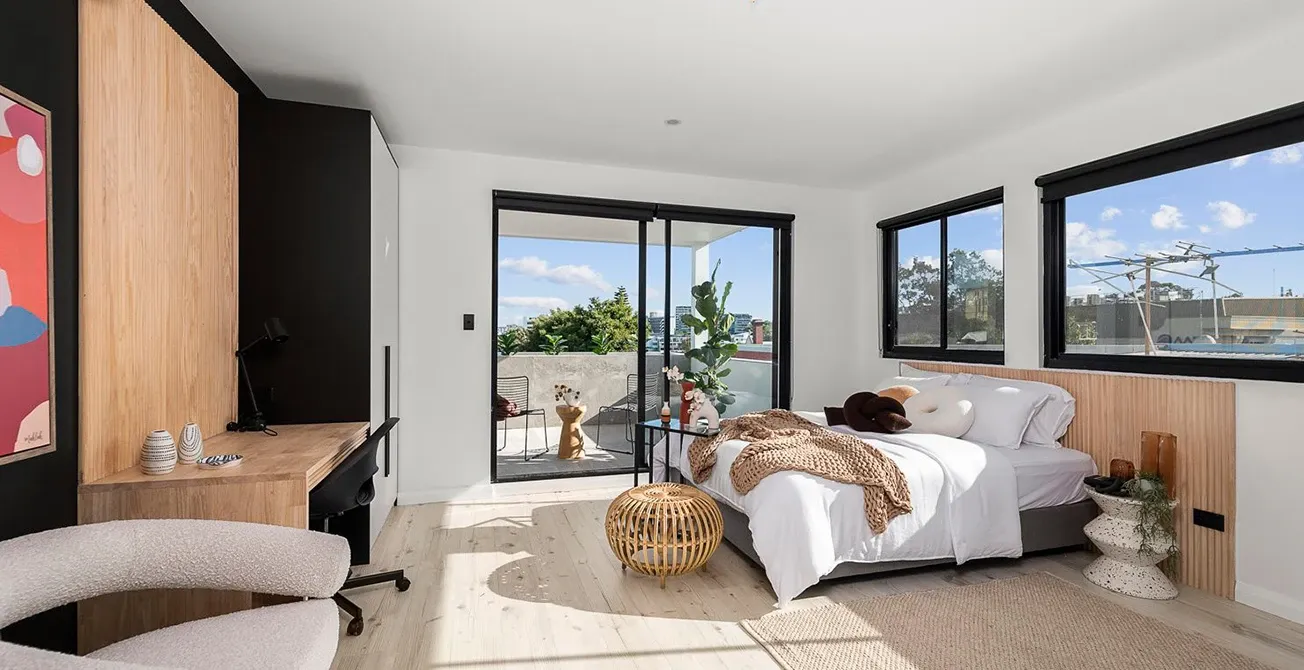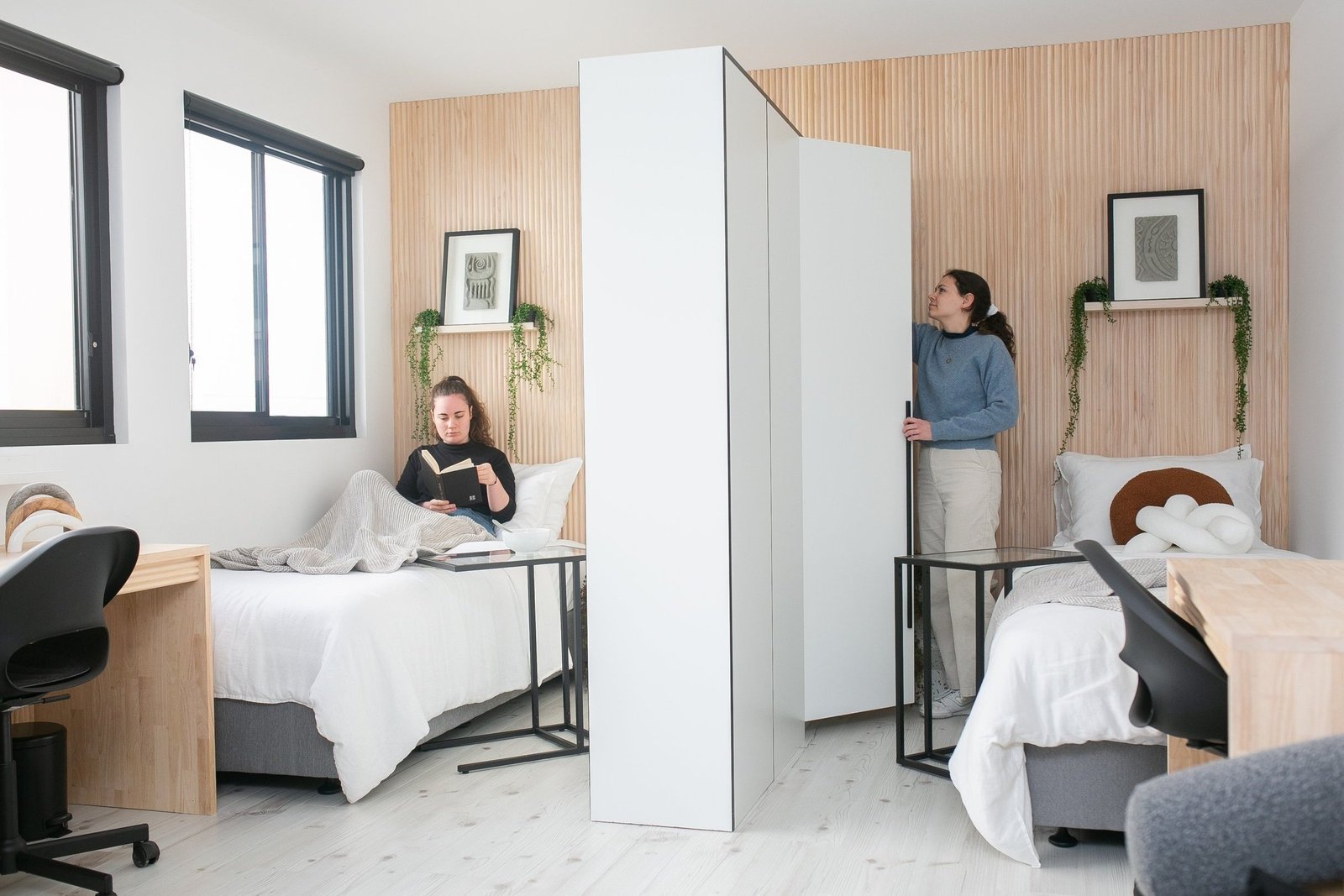
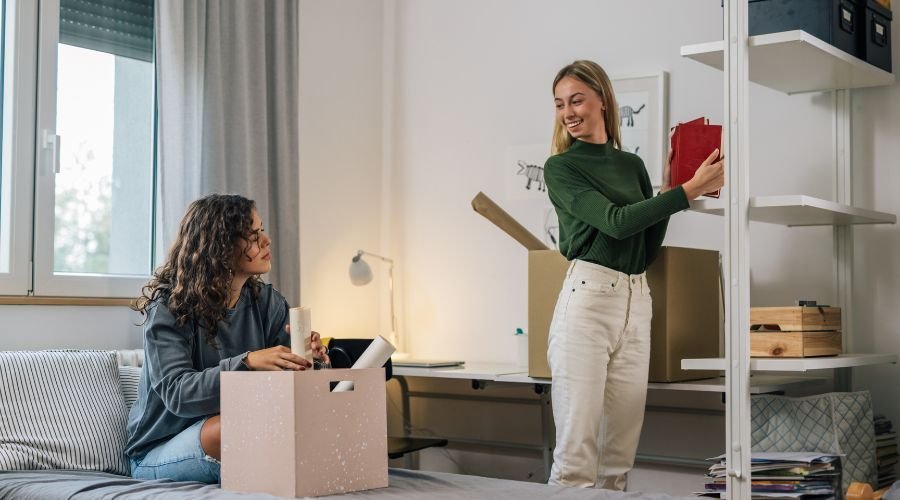
Safe student accommodation in Sydney is about more than locks, cameras, and secure entrances. Students are more likely to feel comfortable when their accommodation is well maintained, shared spaces feel welcoming, support is easy to reach, and they can relax in their home without constantly feeling on edge.
Safe student accommodation should feel comfortable day to day, with secure spaces, reliable support, good maintenance, and a welcoming environment.
Key Takeaways
- Feeling safe involves more than visible security features.
- Clear building access and reliable maintenance can provide everyday reassurance.
- Comfortable shared spaces can make a new home feel less unfamiliar.
- Location and the surrounding area matter, especially when returning home later.
- Students should consider how accommodation feels, not only how it looks online.
Finding somewhere that looks secure is one thing. Feeling comfortable enough to come home after an evening class, cook in the shared kitchen, study without worrying, and relax in your own room is something different.
When choosing safe student accommodation, physical security still matters. But students should also think about the everyday details that create a sense of comfort, familiarity, and confidence in where they’re living.
Safety starts with feeling comfortable at home
A property can have secure doors and modern facilities but still feel uncomfortable if you’re unsure who to contact when something goes wrong or don’t feel relaxed using the common areas.
A good living environment should make everyday routines feel normal rather than stressful.
That might mean feeling comfortable walking through the building in the evening, knowing how access works, or being able to report a maintenance issue without wondering what happens next.
These details may seem small during an inspection, but they become much more important once the accommodation becomes your home.
You should understand how the building works
Uncertainty can make a new place feel less comfortable, particularly when you’re living independently for the first time.
Students should know how to enter the property, whether entrances are shared, how guests are managed, and what to do if they lose a key or have an issue with access.
Visible security features can provide reassurance, but clear information matters too. You shouldn’t have to guess how basic parts of the building operate.
Knowing what to look for in safe student housing can help put these practical details into context when comparing different properties.
A well-maintained home can feel more reassuring
Safety isn’t always about something dramatic happening. Sometimes it’s simply knowing that the property is being looked after.
Broken locks, poor lighting, damaged doors, leaks, or maintenance problems can quickly make students uncomfortable, even when the rest of the accommodation looks appealing.
Well-maintained spaces tend to feel more dependable because students can see that everyday issues aren’t being ignored.
This is why an accommodation inspection should involve more than looking at the bedroom. Checking doors, windows, lighting, common areas, and general upkeep can tell you a lot about how the property feels during an inspection before you commit to living there.
Shared spaces should feel comfortable to use
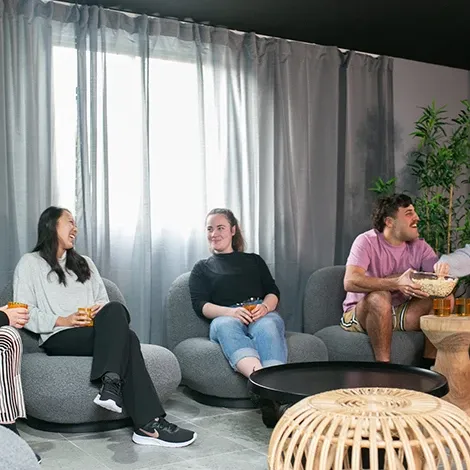
Common areas are a big part of student living, especially in co-living accommodation.
You may use the kitchen every day, pass other residents in hallways, spend time in a lounge, or study in a communal area. These spaces should feel like somewhere you can actually use rather than somewhere you’d rather avoid.
A comfortable shared environment is usually clean, well organised, and easy to understand.
The available student accommodation amenities can also affect how comfortable everyday life feels, particularly when study, cooking, laundry, and social spaces are thoughtfully set up.
Knowing who to contact matters
One question that’s easy to overlook when choosing accommodation is: What happens when I need help?
It could be something simple, such as a broken light, a problem with a lock, or an appliance that stops working. Knowing where to report an issue can make independent living feel much less uncertain.
Students shouldn’t need to work out the entire process only after something has gone wrong.
Before moving in, it’s reasonable to understand how maintenance is handled, who manages the accommodation, and how important issues should be reported.
For students living away from family for the first time, that clarity can provide a lot of reassurance.
Feeling comfortable around the people you live with matters too
Physical security is only one part of feeling safe at home.
If you’re sharing accommodation, the way residents treat one another can make a big difference to how comfortable the home feels.
Respect around noise, personal belongings, guests, kitchens, bathrooms, and shared spaces helps create an environment where everyone can relax.
Simple expectations around living comfortably with other students can prevent many of the small disagreements that otherwise make shared accommodation stressful.
You don’t need to become close friends with everyone you live with. Feeling respected and comfortable in your own home is what matters.
Your surroundings matter after you leave the front door
Students spend plenty of time thinking about the room itself, but safety doesn’t suddenly stop at the building entrance.
Think about what the surrounding area feels like during the times you’ll actually be travelling.
How will you get home after an evening class?
A commute that seems easy at midday can feel very different late in the evening. Consider the route between public transport and your accommodation, particularly if you regularly study or work late.
Are everyday essentials reasonably close?
Being near supermarkets, transport, cafés, and other useful services can make daily life easier and reduce unnecessary travel.
Does the area suit your routine?
The right location depends on where you study, work, and spend your time. A popular suburb isn’t automatically the most practical choice for every student.
Students new to Sydney may feel more prepared once they understand everyday safety considerations for international students alongside the practical side of choosing accommodation.
Feeling safe can be different when you’re new to Sydney
International students may experience accommodation differently because they’re adjusting to a new city at the same time.
Public transport is unfamiliar. Local neighbourhoods are unfamiliar. Rental processes may work differently from home, and family members may be thousands of kilometres away.
That can make small uncertainties feel much bigger during the first few weeks.
Clear information about accommodation, transport, house expectations, and who to contact can make the transition easier. Familiarity tends to build over time, but students shouldn’t have to feel completely lost while they’re settling in.
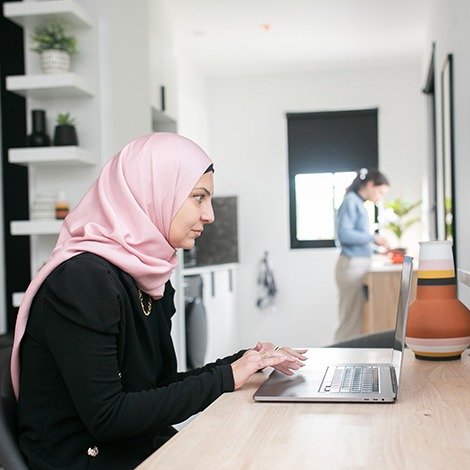
Online photos can’t tell you everything
Good photos can show the room, furniture, kitchen, or common areas, but they can’t tell you how you’ll actually feel living there.
If possible, pay attention to the property during an inspection rather than concentrating only on appearance.
Does the entrance feel well maintained? Are common areas somewhere you’d comfortably use? Do doors and windows work properly? Are your questions answered clearly?
If you’re overseas, a virtual inspection can still help you understand the space better than photos alone.
It’s also worth being cautious when a listing creates pressure to make a quick decision. Recognising common rental scams targeting Sydney students can help you separate genuine urgency in a busy rental market from warning signs that deserve a closer look.
Ask yourself how the accommodation actually makes you feel
Students naturally compare rent, furniture, location, and room size. Those things matter, but try adding a few less obvious questions before deciding.
- Would I feel comfortable coming home here in the evening? Think about the building entrance, transport route, lighting, and surrounding area rather than judging the property only during a daytime inspection.
- Do I understand who manages the accommodation? Knowing who handles questions and maintenance can make everyday problems feel much easier to manage.
- Would I actually use the shared spaces? A common area has little value if you don’t feel comfortable spending time there.
- Does the property seem cared for? Look beyond styling and furniture. Maintenance, cleanliness, working locks, and well-kept shared areas can say much more about everyday living.
- Do I feel rushed or informed? You should have enough information to understand what you’re agreeing to before committing.
These questions bring the decision back to what matters once the inspection is over and you’re actually living there.
Safe doesn’t have to mean isolated
Feeling secure shouldn’t mean spending all your time behind a locked bedroom door.
For many students, a comfortable home includes both privacy and opportunities to connect with other people.
You might want your own space when studying or relaxing, while still having shared areas where you can cook, talk with housemates, or simply feel part of the household.
A good balance between personal space and comfortable communal living can make accommodation feel much more like home.
Choose somewhere you can actually feel at home
Security features matter, but they aren’t the whole story. The right accommodation should also feel comfortable when you’re studying late, cooking dinner, using shared spaces, or simply coming home after a long day.
If you have questions about accommodation, facilities, or what everyday student living is like, you’re welcome to contact us.
Feeling at home isn’t something you can measure from a listing photo alone. It’s often the everyday details that make the biggest difference.
Frequently Asked Questions
What should students look for in safe accommodation?
Look beyond locks and entrances. Consider maintenance, lighting, shared spaces, building access, location, communication, and whether you feel comfortable in the property.
How can I tell if student accommodation feels safe?
An inspection can help. Pay attention to the condition of the property, entrances, common areas, surrounding streets, and how clearly your questions are answered.
Does location affect how safe accommodation feels?
Yes. Think about how you’ll travel between your accommodation, university, work, public transport, and everyday essentials at the times you’ll normally be out.
Is shared student accommodation safe?
Shared accommodation can feel comfortable when the property is well managed and residents have clear expectations around shared spaces, guests, noise, and personal boundaries.
What if I’m choosing accommodation from overseas?
Ask for current information about the property, recent photos or a virtual inspection, clear booking terms, and details about who manages the accommodation before committing.