

Choosing between a student studio and a shared apartment in Sydney depends on your budget, lifestyle, study habits, and how much privacy you want. Neither option is better for everyone—the right choice is the one that fits how you plan to live.
Student studios offer more privacy, while shared apartments can reduce costs and encourage social living. The best option depends on your lifestyle.
Key Takeaways
- Student studios offer more privacy and personal space.
- Shared apartments can reduce living costs and encourage social connections.
- Think about your study habits, budget, and daily routine before deciding.
- Consider what’s included—not just the weekly rent.
- The best accommodation is the one that fits your lifestyle.
Choosing accommodation is one of the biggest decisions you’ll make before starting university in Sydney. While budget is important, it’s not the only thing that affects your experience.
When comparing a student studio and a shared apartment in Sydney, it’s worth considering how you study, socialise, and manage your daily routine. The option that works well for one student may not suit someone else at all.
Start by thinking about how you like to live
Before comparing prices or locations, ask yourself a simple question: What helps you feel comfortable at home?
Some students enjoy having their own quiet space after a busy day, while others like having people around to cook, study, or chat with.
Your accommodation should support your lifestyle—not force you to change it.
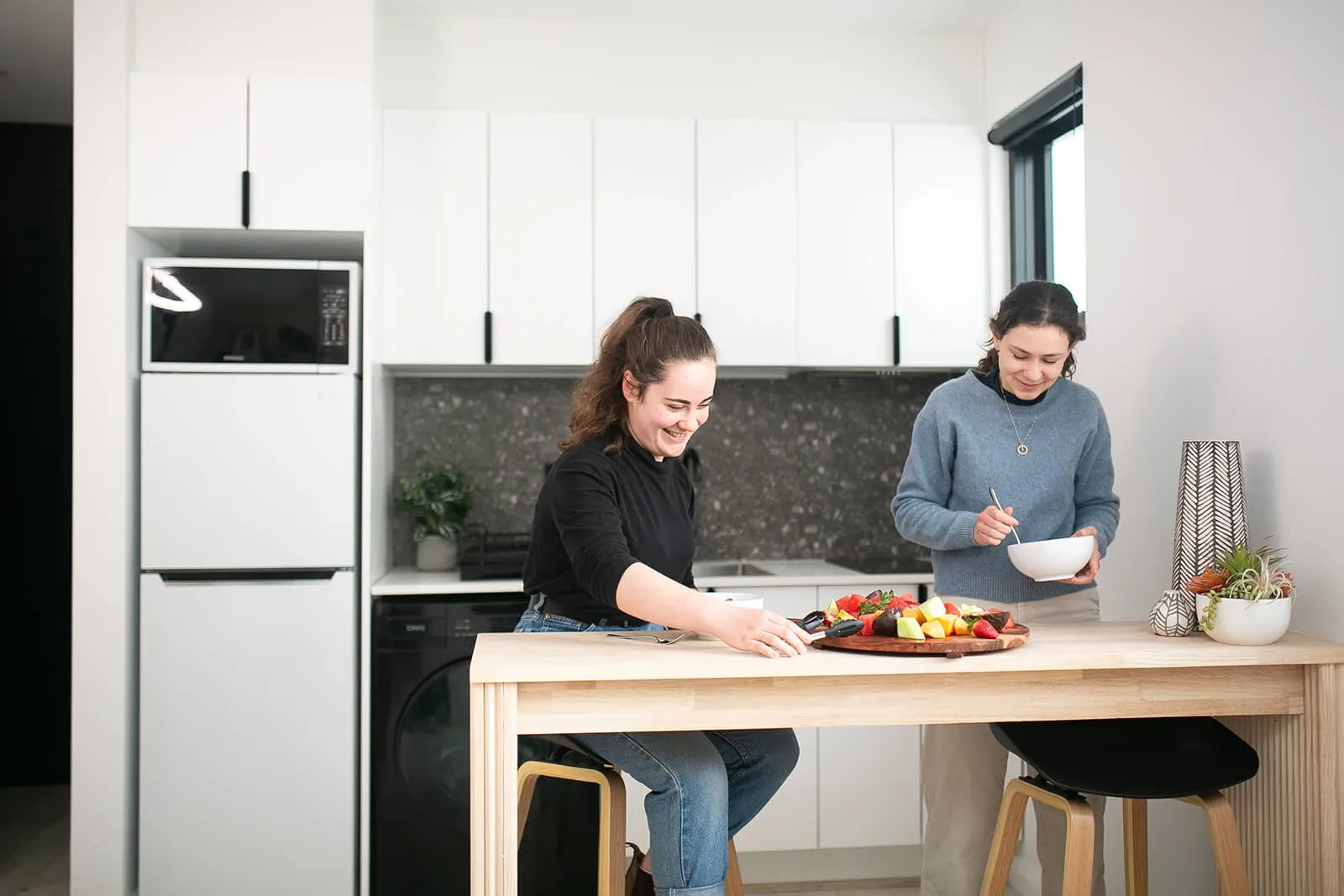
A student studio may suit you if you value privacy
Living in a studio means your bedroom, study area, and living space are all your own.
Many students prefer this because they can study without distractions, keep their own routine, and enjoy more personal space.
A student studio often suits students who enjoy a quieter environment, like having their own routine, spending plenty of time studying, and value having a private space to come home to after a busy day.
Students also find it easier to picture daily life once they understand what’s usually included in fully furnished student apartments before comparing different accommodation options.
A shared apartment may suit you if you enjoy living with others
Shared apartments give students the opportunity to live with roommates while splitting some living costs.
For many people, this creates a more social environment and makes settling into university life a little easier.
A shared apartment often suits students who enjoy meeting new people, don’t mind sharing common spaces, like having company after classes, and prefer a more social living environment.
Living with others also works best when everyone understands the basics of student co-living and shared living etiquette from the beginning.
Think beyond the weekly rent
It’s easy to compare accommodation based only on price, but weekly rent doesn’t always tell the full story.
Consider what else you’ll need to pay for, such as:
- Utilities, including electricity, water, and gas, as these can add to your weekly living expenses if they aren’t included.
- Internet, especially if you’ll be attending online classes, streaming lectures, or working from home.
- Furniture, if the accommodation isn’t fully furnished, as buying essentials like a bed, desk, and chair can increase your moving costs.
- Kitchen equipment, such as cookware, utensils, and small appliances that you may need to purchase separately.
- Laundry, including whether washing machines and dryers are free to use or require additional payment.
- Transport, as living further from your university may mean spending more on buses, trains, or other daily travel.
Sometimes accommodation with a slightly higher weekly rent works out to be better value because more everyday costs are already included.
Looking at the available student accommodation amenities can help you compare what each property actually offers.
Your study habits matter more than you think
The way you study should also influence your decision.
If you prefer quiet
A student studio can provide a more predictable environment for online classes, assignments, and exam preparation.
If you’re comfortable with background activity
Some students enjoy studying around other people and don’t mind sharing common spaces.
Neither approach is right or wrong—it simply depends on how you concentrate best.
Think about your daily routine
Accommodation affects much more than where you sleep.
Consider how you normally spend your day.
Cooking
Would you rather have your own kitchen area, or are you happy sharing cooking spaces?
Study time
Do you need complete quiet, or can you focus with other people nearby?
Free time
Would you rather relax on your own after university, or spend time with roommates?
Thinking through these everyday situations often makes the decision much clearer than comparing accommodation features alone.
Location can make just as much difference
Whether you choose a studio or a shared apartment, location has a huge impact on daily life.
Living close to public transport, supermarkets, cafés, and campus often makes routines much easier.
Many students find everyday life more convenient in Petersham, while others prefer the café culture of Newtown or the quieter residential feel of Annandale.
The best location is the one that fits your university, commute, and lifestyle.
Ask yourself these questions before deciding
If you’re still unsure, asking yourself a few simple questions can help.
How important is privacy?
If having your own space helps you relax and study, a studio may be the better option.
How comfortable are you sharing spaces?
If you’re happy sharing kitchens and common areas, a shared apartment could suit you well.
What’s your realistic budget?
Think about your total weekly expenses, not just the advertised rent.
How do you usually recharge?
Some people recharge by spending time alone, while others enjoy having people around after classes.
There isn’t a single right answer—only the option that matches your lifestyle.
The decision doesn’t have to be based on price alone
Students sometimes assume the cheapest option is automatically the smartest choice, but comfort, convenience, and lifestyle all influence your university experience.
Someone who values privacy may feel happier in a studio, while another student may enjoy the friendships that often develop in shared accommodation.
Choosing accommodation that fits your daily habits usually leads to a better overall experience than choosing based on cost alone.
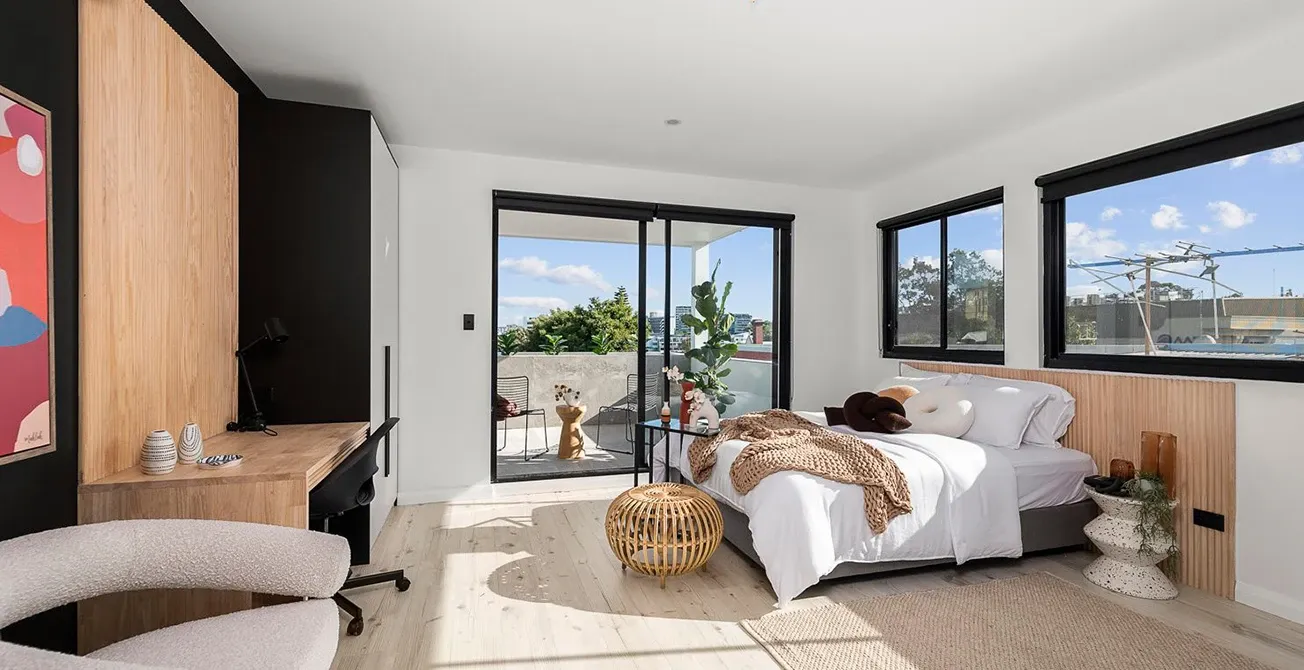
Choose the option that fits your lifestyle
There’s no single accommodation type that’s right for every student. The best choice depends on how you study, relax, manage your budget, and want to experience university life.
If you’d like to learn more about our accommodation options, amenities, or available locations, you’re welcome to contact us. We’re happy to answer your questions so you can find the accommodation that feels right for you.
The goal isn’t to choose the “best” accommodation—it’s to choose the one that supports the way you want to live and study in Sydney.
Frequently Asked Questions
Is a student studio better than a shared apartment?
Neither is better for everyone. A studio offers more privacy, while a shared apartment can provide a more social environment and lower living costs.
Is shared accommodation cheaper?
It can be, but students should also compare what’s included before deciding.
Who should choose a student studio?
Students who value privacy, quiet study space, and independent living often prefer studios.
Is shared accommodation good for international students?
Many international students enjoy shared accommodation because it provides opportunities to meet people and settle into university life.
Should I choose based on rent alone?
No. Consider privacy, inclusions, location, transport, and your daily routine alongside the weekly cost.